Bringing nature indoors is a trend that continues to grow, and for good reason. Incorporating indoor plants into your home décor does more than just add a splash of green—it can transform your living space, improve your wellbeing, and create a calming environment. Whether you have a cozy apartment or a spacious house, indoor plants offer numerous benefits that make them a valuable addition to any room.
Why Choose Indoor Plants for Your Home?
Indoor plants serve as natural décor elements that combine aesthetics with functionality. Unlike artificial decorations, plants are living organisms that can actively improve your environment. Here are some key reasons why adding houseplants makes sense:
– Aesthetic Appeal: Plants come in a variety of shapes, sizes, and colors, bringing texture and life to your walls, shelves, and windowsills.
– Improved Air Quality: Many indoor plants help filter harmful pollutants, enhancing the air you breathe.
– Mood Enhancement: Studies have shown that interactions with plants can reduce stress and increase feelings of wellbeing.
– Productivity Boost: A greener workspace can improve concentration and creativity.
– Easy to Maintain: Many popular indoor varieties thrive with minimal care.
Top Benefits of Indoor Plants
1. Purify the Air Naturally
One of the most celebrated benefits of indoor plants is their ability to purify the air. Certain plants, such as the snake plant, spider plant, and peace lily, act as natural air filters. They absorb toxins like formaldehyde, benzene, and ammonia commonly found in household items and cleaning products. By filtering these chemicals and releasing oxygen, they improve indoor air quality, which can foster better respiratory health.
2. Reduce Stress and Boost Your Mood
Spending time around greenery has a calming effect. Indoor plants bring a bit of nature indoors, which can help reduce feelings of anxiety and create a more tranquil atmosphere. Taking care of plants also provides a nurturing activity that many find therapeutic. Even just viewing plants can have a positive impact on your mood, making your home feel more inviting and peaceful.
3. Increase Humidity and Combat Dry Air
Indoor heating or air conditioning can dry out the air inside your home, often leading to dry skin, sore throats, or irritated sinuses. Plants release moisture into the air through a process called transpiration, which helps increase indoor humidity. This natural humidifier effect benefits your skin, respiratory system, and overall comfort—especially in dry climates or during winter months.
4. Enhance Interior Design with Greenery
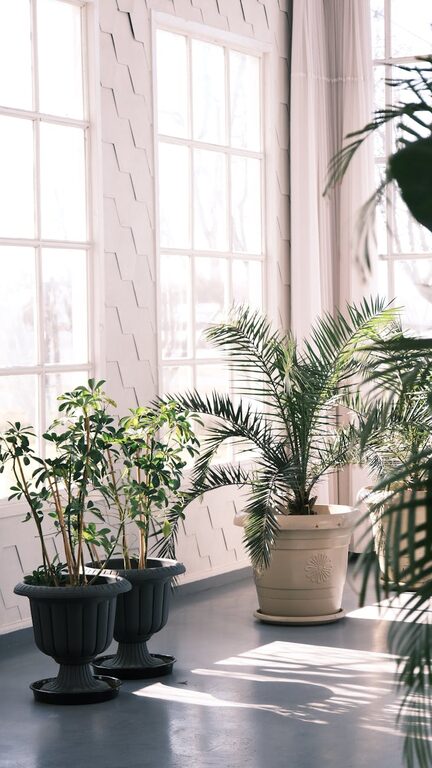
Plants are versatile decorative elements. They work well in almost any style, from modern minimalism to bohemian chic. Use tall potted plants to fill empty corners or add small succulents to your shelves and tables for subtle color and texture. Hanging plants can bring a dynamic element to any room, and flowering varieties can add seasonal interest. Mixing different plants can create a visually stimulating focal point in your décor.
5. Boost Productivity and Creativity
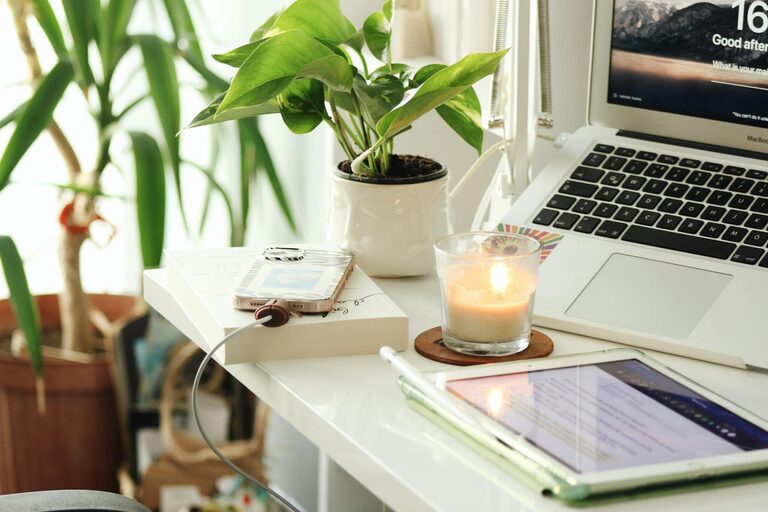
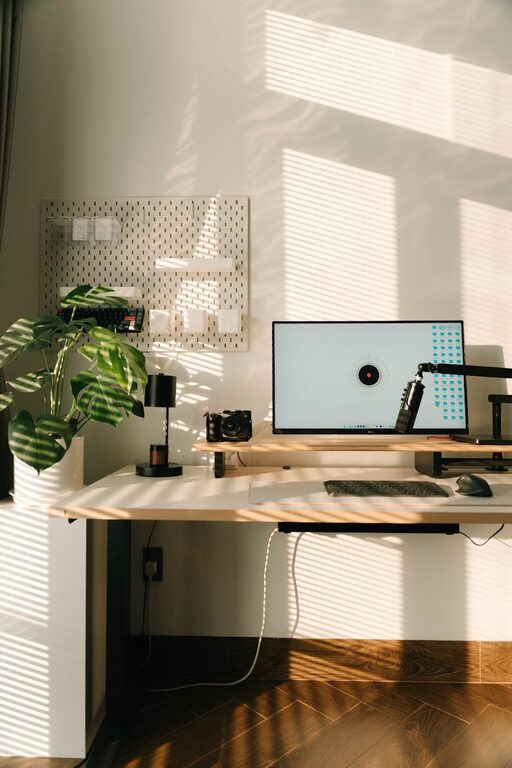
If you work or study from home, surrounding yourself with plants can help improve focus and creative thinking. Research suggests that a green environment can increase productivity and reduce mental fatigue. Keeping plants on your desk or nearby can make your workspace feel less sterile and more inspiring.
Choosing the Right Indoor Plants
To enjoy the full benefits, select plants that fit your lifestyle and space. Here are some popular low-maintenance options suited for beginners:
– Snake Plant (Sansevieria): Tolerant of low light and infrequent watering.
– Spider Plant: Easy to grow and purifies air effectively.
– Pothos: Thrives in various light conditions and grows quickly.
– Peace Lily: Provides beautiful white flowers and cleans the air.
– Succulents and Cacti: Great for sunny spots and require minimal watering.
Before purchasing, consider the amount of light your room receives and how much time you can dedicate to care. Many garden centers and online resources offer advice tailored to your region and indoor environment.
Tips for Incorporating Plants into Your Décor
– Group Plants Together: Create mini indoor gardens by clustering pots. This adds visual interest and can help maintain humidity.
– Use Decorative Planters: Choose pots and containers that complement your interior style.
– Vary Plant Heights and Sizes: Mix tall and short plants for a layered effect.
– Use Wall Space: Hanging plants or wall-mounted planters can add greenery without taking up floor space.
– Rotate Plants Regularly: Ensure even light exposure and keep plants healthy by rotating them every few weeks.
Caring for Your Indoor Plants
While some houseplants are low-maintenance, all plants benefit from regular care:
– Water Properly: Avoid overwatering or letting plants sit in water. Check soil moisture before watering.
– Provide Adequate Light: Match plants to the light conditions of your space—some prefer bright, indirect light, others can tolerate lower light.
– Clean Leaves: Dust can block sunlight, so gently wipe leaves occasionally.
– Fertilize: Use a balanced fertilizer during the growing season to promote healthy growth.
– Repot When Needed: Move plants into larger pots as they grow to prevent root crowding.
Final Thoughts
Indoor plants are more than just pretty decorations—they enhance your home’s environment, promote wellbeing, and add a unique design element. Whether you’re a seasoned gardener or just starting out, incorporating greenery into your home decor is a simple and rewarding way to create a fresher, more inviting space. With a wide variety of plants to choose from and easy care tips, there’s no reason not to invite a bit of nature inside your home today.