Creating a relaxing home workspace is essential for maintaining focus and boosting productivity, especially as many people continue to work remotely. Your surroundings can greatly influence how well you concentrate and how comfortable you feel throughout the day. In this post, we’ll explore practical tips to help you design a calm and inviting home office that encourages efficiency and reduces stress.
Why a Relaxing Workspace Matters
A cluttered or uncomfortable workspace can cause distractions and fatigue. On the other hand, a well-thought-out area promotes positive energy and motivation. When your workspace feels peaceful and organized, your mind can stay clearer, allowing you to tackle tasks more effectively.
Choose the Right Location
The first step in creating a relaxing workspace is choosing the best spot in your home. Consider these points:
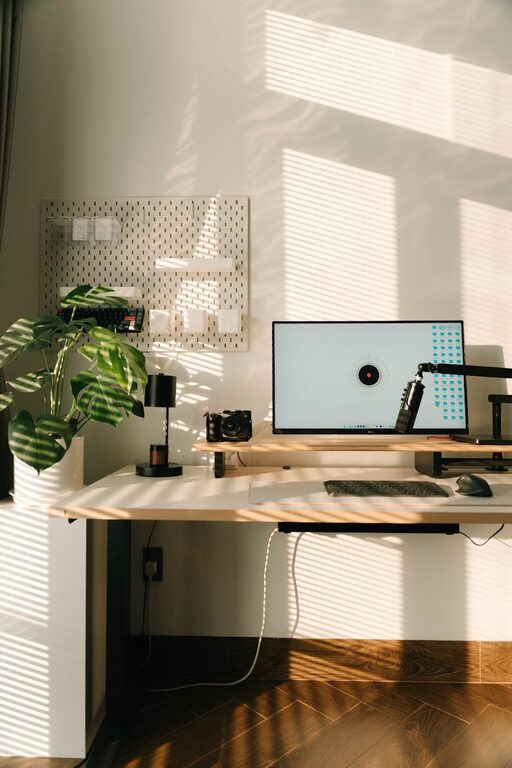
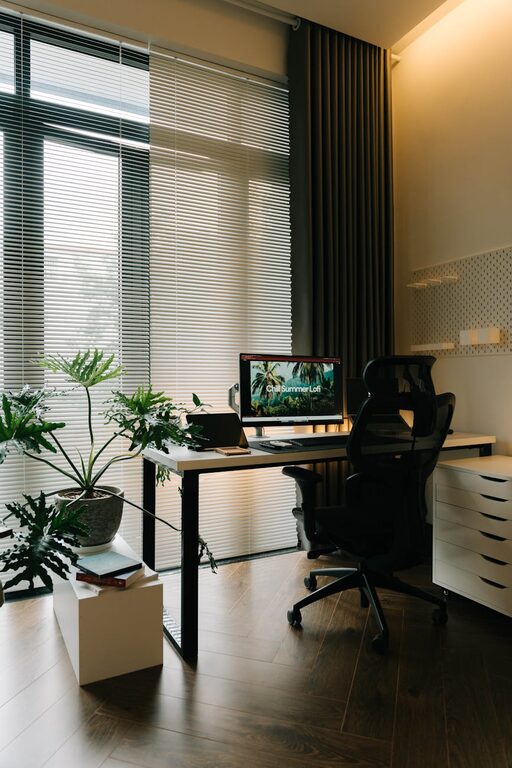
– Natural Light: Select an area near a window if possible. Natural light helps improve mood and alertness.
– Quiet Environment: Aim for a space away from household noise or heavy foot traffic.
– Adequate Space: Make sure there’s enough room for your desk, chair, and any equipment you need without feeling cramped.
– Privacy: A separate nook or corner can help mentally separate work from home life.
Invest in Comfortable Furniture
Comfort plays a huge role in how long you can stay focused without feeling fatigued or sore.
– Ergonomic Chair: Choose a chair with good lumbar support and adjustable height.
– Proper Desk Height: Your desk should allow your arms to rest comfortably at about a 90-degree angle.
– Footrest: Consider using a footrest if your feet don’t comfortably reach the floor.
– Adjustable Equipment: Monitor stands, keyboard trays, and adjustable lamps can improve posture and reduce strain.
Keep Your Workspace Organized
An uncluttered desk promotes calmness and makes it easier to find what you need.
– Use Storage Solutions: Drawers, baskets, or shelves keep supplies tidy.
– Declutter Regularly: Take a few minutes at the end of each day to clear your workspace.
– Limit Desk Items: Only keep essential items on your desk to avoid distractions.
– Cable Management: Use clips or covers to organize cables and keep them out of sight.
Personalize Your Space
Adding personal touches can make your workspace more welcoming and motivating.
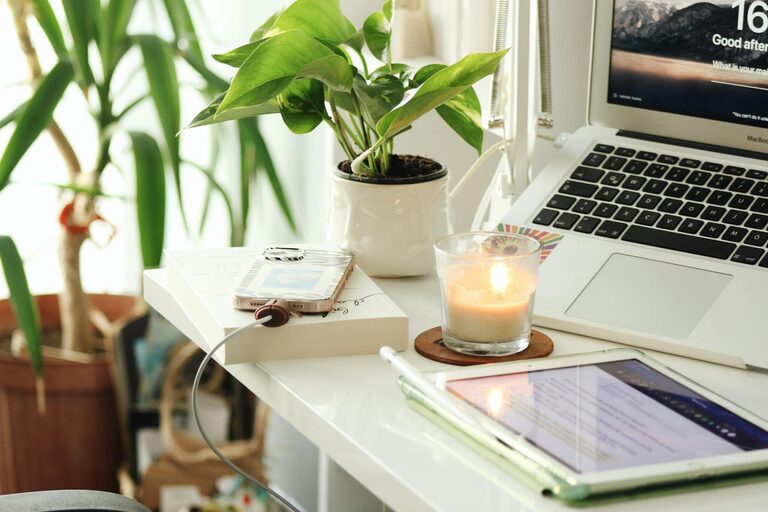
– Plants: Small indoor plants add life and improve air quality.
– Artwork: Choose pictures or art pieces that inspire or soothe you.
– Colors: Soft, neutral colors are calming, but feel free to use pops of your favorite shades.
– Lighting: Combine natural and artificial lighting. Adjustable desk lamps help reduce eye strain.
Incorporate Relaxation Elements
Consider adding items that help you unwind during breaks.
– Aromatherapy: Essential oil diffusers or scented candles can create a calm atmosphere.
– Comfort Items: A cozy blanket or cushion can make your breaks more enjoyable.
– Mindfulness Tools: Keep stress balls or meditation guides nearby for quick relaxation.
Manage Noise Levels
Sound influences concentration significantly.
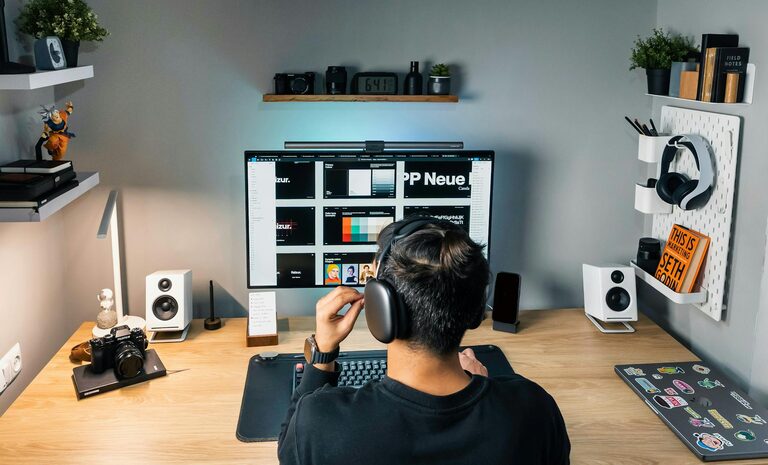
– Noise-Cancelling Headphones: These can block distracting sounds.
– White Noise Machines or Apps: Background noise can improve focus when silence feels too empty.
– Soft Music: Instrumental or nature sounds often enhance concentration.
Establish a Routine
A structured routine helps condition your mind for work and relaxation.
– Set Work Hours: Define clear start and end times.
– Take Regular Breaks: Short pauses refresh your mind and prevent burnout.
– Create Rituals: Simple actions like brewing coffee or stretching before starting can signal your brain it’s time to focus.
Keep Technology in Check
Technology is essential but can be a source of stress.
– Ergonomic Tech Setup: Position screens at eye level to prevent neck strain.
– Manage Notifications: Silence non-essential alerts during work hours.
– Use Productivity Apps: Tools for task management can help keep you on track.
Final Thoughts
Designing a relaxing home workspace doesn’t have to be complicated or expensive. By choosing the right location, investing in good furniture, organizing efficiently, and creating a calming environment, you can build a home office that both nurtures your well-being and enhances your productivity. Start with a few changes today and notice how your workday improves.