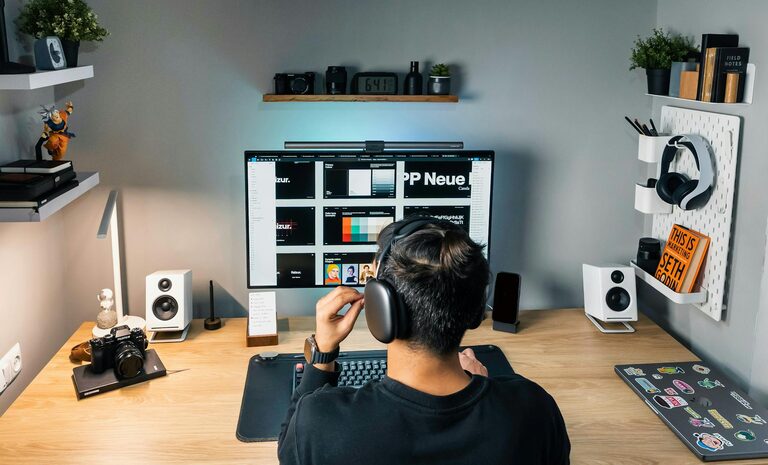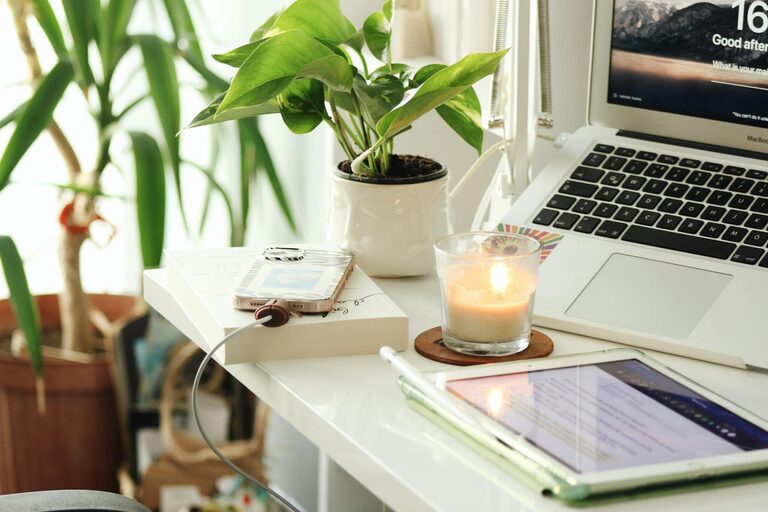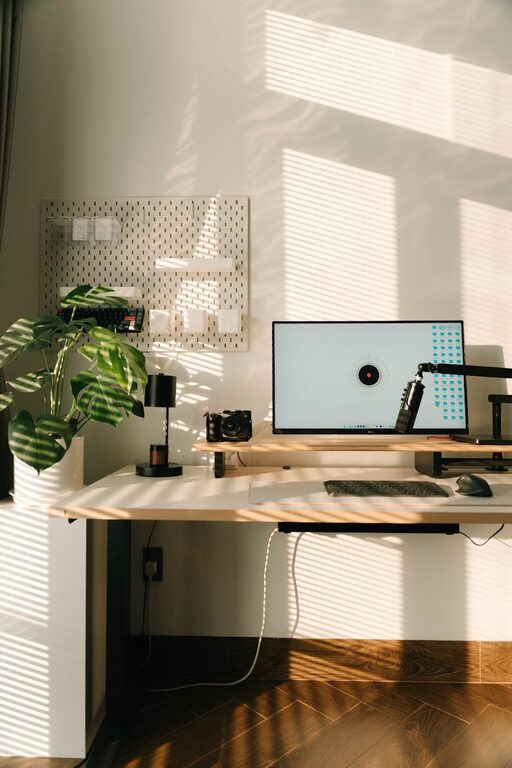
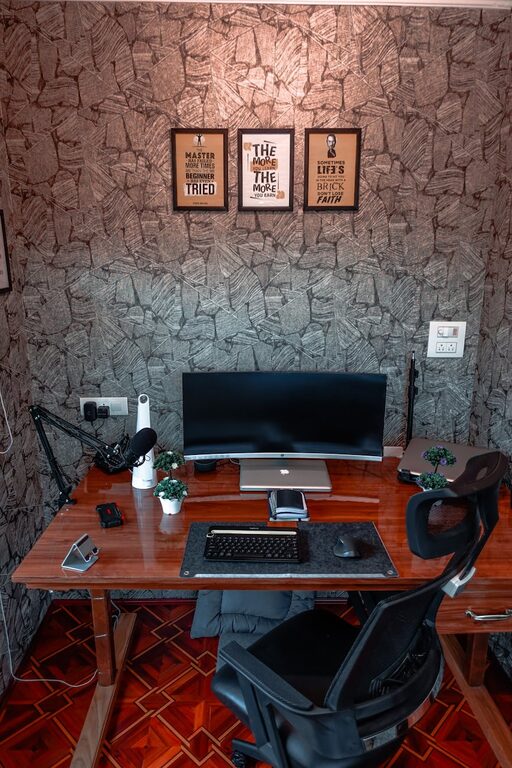
Creating a cozy and functional home workspace is essential for anyone who spends significant time working from home. A well-designed workspace not only enhances productivity but also contributes to your overall well-being by reducing stress and increasing comfort. Whether you have a dedicated room or just a small corner, these tips will help you create a balanced environment that suits your work style and makes you feel at ease.
1. Choose the Right Location
Selecting the right spot in your home is the first step toward an effective workspace.
– Natural Light: Aim for a location near a window to take advantage of natural light, which can boost mood and alertness.
– Quiet Area: Choose a space away from household noise or distractions to maintain focus.
– Adequate Space: Ensure there is enough room for your desk, chair, and any other equipment you may need.
If space is limited, consider multifunctional furniture or compact desks.
2. Invest in Ergonomic Furniture
Comfort is key to staying productive for longer periods.
– Desk: A sturdy desk at the right height helps maintain good posture.
– Chair: Opt for an ergonomic chair with adjustable height and lumbar support.
– Keyboard and Mouse: If you use a laptop, consider external peripherals to reduce strain.
Proper ergonomics reduce the risk of discomfort and injury, making work more enjoyable.
3. Manage Lighting Wisely
Good lighting prevents eye strain and sets the mood.
– Layer Your Lighting: Combine natural light with overhead lighting and task lamps.
– Adjustable Task Lighting: A desk lamp with adjustable brightness and direction helps focus light where you need it.
– Avoid Glare: Position your screen to reduce glare from windows or overhead lights.
Choosing the right bulbs can also affect the workspace’s ambiance—warm light creates coziness, while cool light enhances alertness.
4. Keep Your Workspace Organized
An organized workspace minimizes distractions and improves efficiency.
– Storage Solutions: Use shelves, bins, or drawers to keep supplies neat.
– Cable Management: Use clips or under-desk organizers to keep cables tidy.
– Declutter Regularly: Make it a habit to clear unnecessary items from your desk daily.
Labeling storage containers can help you find items quickly and maintain order.
5. Personalize Your Space
Adding personal touches can make your workspace more inviting.
– Decor: Include artwork, photos, or plants that inspire you.
– Colors: Choose colors that you find calming or energizing—soft blues for relaxation or yellow for creativity.
– Comfort Items: Small cushions or a cozy throw blanket can make your chair more comfortable.
Personalization makes the space yours and can boost motivation.
6. Incorporate Greenery
Plants offer both aesthetic and health benefits.
– Air Quality: Plants improve air quality by filtering toxins.
– Stress Reduction: Studies show that greenery can reduce stress and improve focus.
– Easy Care: Choose low-maintenance plants like succulents or pothos if you’re new to gardening.
A small plant on your desk or a larger one nearby can brighten the room.
7. Maintain Good Air Quality and Temperature
Comfortable air and temperature levels are important for concentration.
– Ventilation: Keep windows open when possible or use air purifiers.
– Temperature Control: Use fans, heaters, or air conditioners to maintain a comfortable temperature.
A room that is too hot or cold can distract and reduce productivity.
8. Set Boundaries and Establish a Routine
Creating clear boundaries helps separate work and personal life.
– Defined Workspace: Try to work only in your designated area to train your brain for focus.
– Routine: Establish regular working hours and take breaks away from the desk.
– Signal to Others: If you share your home, use visual cues (like headphones or a closed door) to indicate when you shouldn’t be disturbed.
A routine supports balance and minimizes burnout.
9. Use Technology to Your Advantage
Helpful tech tools can increase productivity and comfort.
– Wireless Devices: Reduce cable clutter with wireless keyboards, mice, and headphones.
– Monitor Stands: Elevate screens to eye level to prevent neck strain.
– Noise-Cancelling Headphones: Block out distractions if you’re in a noisy environment.
Software tools like timers or focus apps can also boost efficiency.
10. Review and Adjust Regularly
Your ideal workspace can evolve over time.
– Monthly Review: Assess what’s working and what isn’t.
– Experiment: Try new seating arrangements, lighting setups, or organizing methods.
– Adapt to Your Needs: Adjust your space as your work style or tasks change.
Regular tweaks ensure your workspace remains both cozy and functional.
—
Creating a home workspace that feels both cozy and practical doesn’t require a big budget or major renovations. With thoughtful choices in location, furniture, lighting, and organization, you can build an environment that supports your productivity and comfort every day. Start small and customize your workspace to make it truly your own.