Creating a relaxing home workspace can greatly improve your productivity and overall work experience. Whether you work from home full-time or occasionally, a well-designed space helps you stay focused, reduce stress, and maintain a healthy work-life balance. In this post, we’ll share practical tips to help you create a comfortable and inviting workspace that supports your best work.
Why a Relaxing Workspace Matters
A cluttered or uncomfortable workspace can negatively impact your concentration and motivation. On the other hand, a thoughtfully arranged area that feels calm and welcoming can:
– Reduce feelings of stress and overwhelm
– Improve focus and efficiency
– Encourage consistent work habits
– Support creativity and problem-solving
Investing some time in setting up a relaxing home workspace is a great way to boost your productivity naturally.
Choosing the Right Location
Find a Quiet Spot
Your workspace should be in a part of your home with minimal noise and distractions. If possible, choose a room with a door you can close or a quiet corner where you won’t be interrupted.
Consider Natural Light
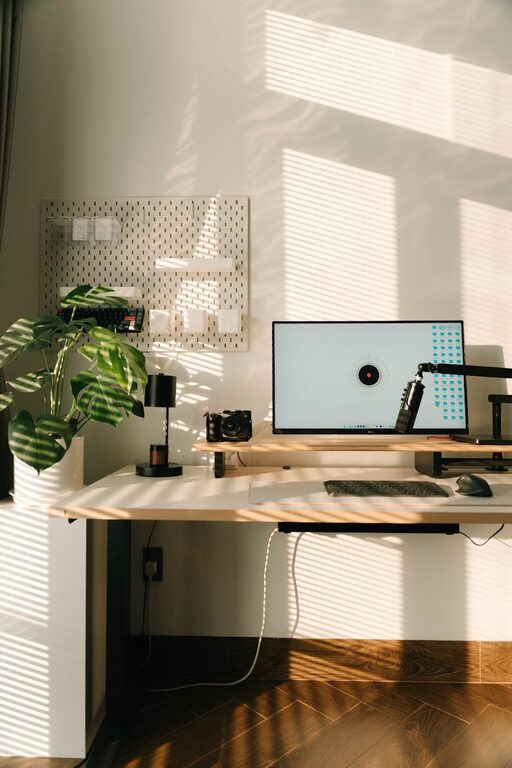
Natural light helps enhance mood and energy levels. Try to position your desk near a window to take advantage of daylight. If natural light is limited, use soft, warm lighting that mimics daylight rather than harsh overhead lights.
Comfortable and Functional Furniture
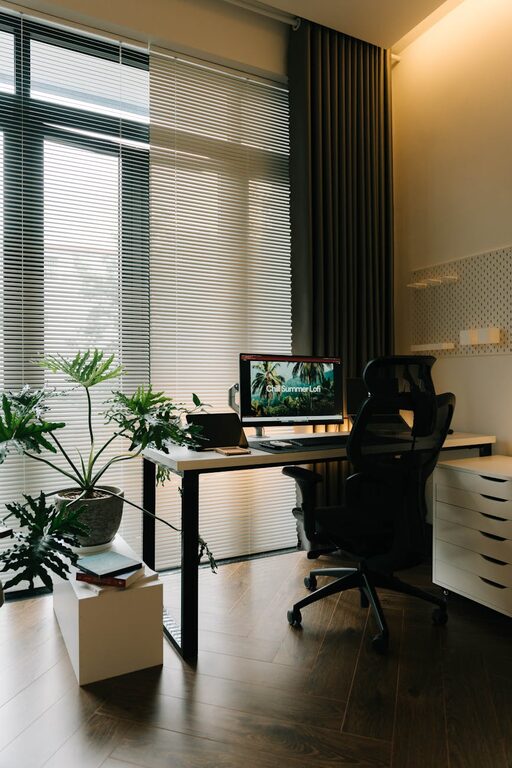
Invest in an Ergonomic Chair
Comfort is key to staying productive for hours. Choose a chair with adjustable height, good lumbar support, and comfortable padding. Sitting in the right posture reduces back and neck strain.
Choose the Right Desk
Select a desk with enough surface space for your computer, documents, and any tools you use regularly. Adjustable desks that offer a sit-stand option are a bonus for reducing sedentary time.
Declutter and Organize Your Space
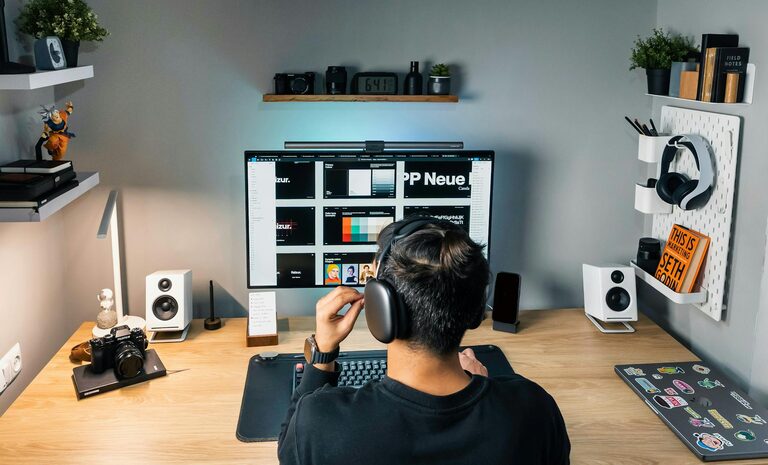
A clutter-free workspace helps calm your mind and keeps distractions at bay.
– Use drawers, shelves, and organizers to keep supplies neatly stored
– Keep only necessary items on your desk surface
– Maintain a regular routine of tidying your space at the end of each day
Organizing your workspace also makes it easier to find what you need, saving time and frustration.
Add Soothing Elements
Incorporate features that make your workspace feel relaxing and inviting.
Bring in Plants
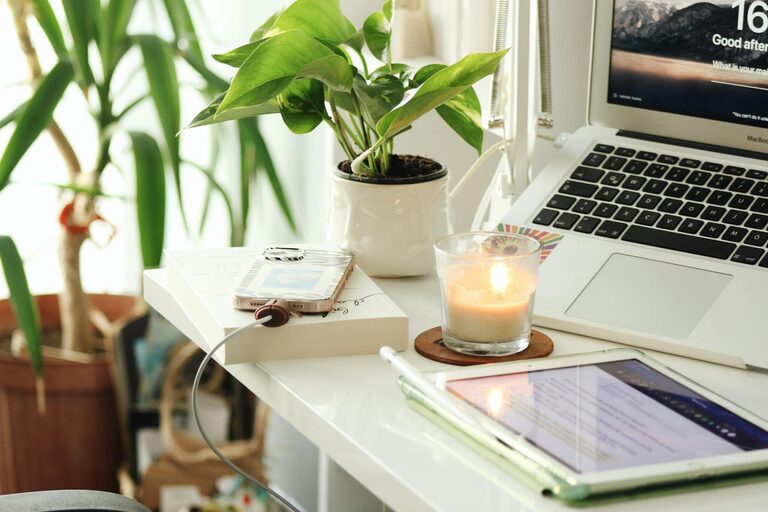
Indoor plants improve air quality and add a touch of nature that can reduce stress. Easy-care plants like succulents or snake plants require minimal attention.
Incorporate Soft Textures and Colors
Use cushions, rugs, or curtains in calming colors such as soft blues, greens, or neutrals. These hues can promote relaxation and focus.
Use Aromatherapy
If you enjoy scents, consider a diffuser with essential oils like lavender or eucalyptus. These can create a calming atmosphere without being overpowering.
Manage Digital Distractions
Digital devices often cause interruptions that break your focus.
– Turn off non-essential notifications on your computer and phone
– Use apps or browser extensions that limit distracting websites during work hours
– Set specific times to check emails and messages instead of constantly monitoring them
Establish Boundaries and Routines
Creating a productive workspace also means defining when and how you work.
– Set regular working hours and communicate them to those you live with
– Use a “start work” routine like a short walk or a cup of tea to signal the beginning of your workday
– Take regular breaks to stretch, rest your eyes, and reset your focus
Personalize Without Overcrowding
Your workspace should feel like your own but avoid too many items that can clutter or distract.
Consider displaying a few meaningful photos, artwork, or inspirational quotes. These personal touches can boost your mood and motivation.
Maintain Your Workspace
A relaxing and productive space requires ongoing care.
– Schedule weekly cleanups
– Reassess your setup periodically to make adjustments as your needs change
– Replace worn-out furniture or equipment to ensure comfort
Final Thoughts
Creating a relaxing home workspace doesn’t require a large budget or a dedicated room. With thoughtful choices in location, furniture, organization, and ambiance, you can craft a space that makes working from home a more enjoyable and productive experience. Small changes can lead to big improvements in your focus, creativity, and well-being. Start with one or two tips today, and build your ideal workspace over time!